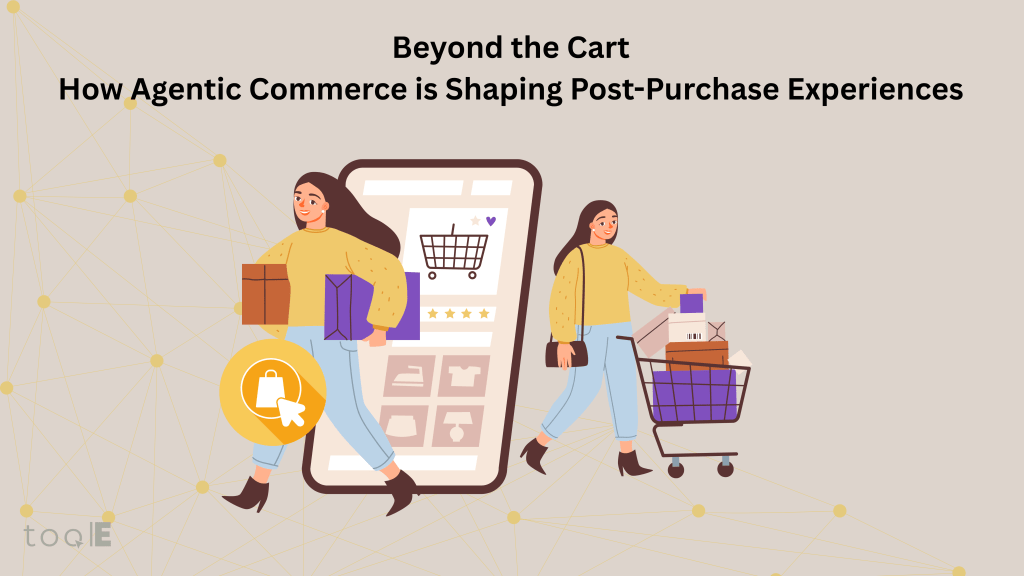
AI “shopping agents” autonomously manage purchases and after-sales tasks for ecommerce customers. In agentic commerce, AI assistants don’t just help customers find products – they complete transactions and continue working after the sale. In this model, shopping is powered by AI agents acting on our behalf. But the real shift comes in what happens after checkout. Forward-thinking retailers are leveraging AI agents to transform post-purchase engagement – from tailored follow-ups to loyalty rewards – creating a seamless, highly personalized journey that keeps customers coming back.
Personalized Post-Purchase Engagement
Once an order is placed, AI agents immediately get to work. They can automatically confirm delivery details and send real-time updates (e.g. shipping alerts) to reassure the buyer. Instead of waiting for a support ticket, the agent might proactively deliver customized content – such as product assembly guides, usage tips, or accessory recommendations – tailored to that customer’s purchase and history. This proactive outreach feels like a personal concierge: rather than generic “you may also like” emails, customers receive context-aware advice and offers that deepen engagement.
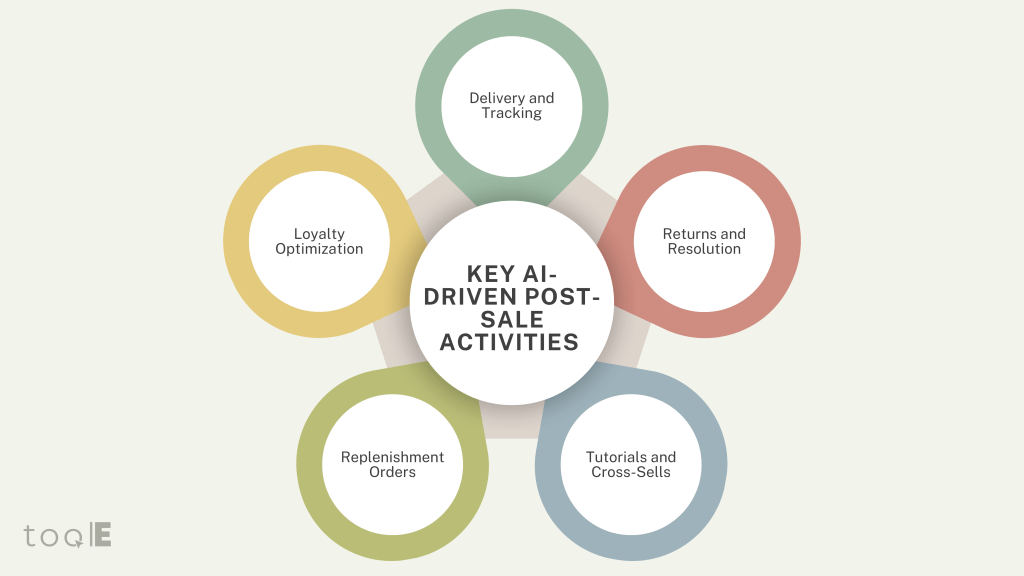
Key AI-driven post-sale activities include:
- Delivery and Tracking: Agents confirm shipments and notify customers of status changes (for example, alerting that a package is on the way or has arrived). This builds trust and sets clear expectations.
- Returns and Resolution: When a problem arises, agents generate return labels or help troubleshoot instantly. Automating these routine tasks greatly reduces support queues and wait times.
- Tutorials and Cross-Sells: Shortly after delivery, the agent can send product tutorials or care tips. It can also suggest related products (e.g. accessories or consumables) based on the order. These “how-to” follow-ups ensure satisfaction and drive incremental sales.
- Replenishment Orders: AI monitors usage patterns for consumables (like printer ink or vitamins). When stock runs low, the agent automatically reorders items under preset rules. Customers appreciate never running out, and sellers secure repeat revenue.
- Loyalty Optimization: Instead of fixed point systems, the agent dynamically manages loyalty rewards. For instance, if a regular shopper goes dormant, the AI might detect this risk and immediately trigger a special offer or bonus points to win them back. In short, loyalty becomes adaptive – the agent optimizes perks and messages based on each customer’s behavior.
Loyalty and Subscription Automation
Agentic AI is redefining customer loyalty as a continuous conversation. Traditional rewards programs are static, but AI agents analyze every interaction to make loyalty dynamic. For example, if a valued customer hasn’t shopped recently, the agent could automatically send a personalized coupon or reminder of their points balance. Retailers piloting these systems report big gains: one global retailer saw a 40% jump in repeat purchases after using an AI agent to tailor post-purchase offers and timing.
Subscriptions and replenishments are another focus. A smart agent learns a customer’s routine (say, using a coffee machine daily) and schedules recurring orders without prompting. These bots obey limits and preferences, applying any loyalty discounts as needed. The result is predictable, recurring sales and happier customers who don’t worry about manual reorders. BigCommerce observes that such automated replenishment “reduce[s] churn” and lets customers feel confident every order aligns with their preferences
Proactive Customer Support
In the agentic model, AI doesn’t just wait for trouble – it prevents it. For example, if an agent detects a likely shipping delay (via carrier data or weather alerts), it can notify the customer in advance with solutions, long before a complaint is filed. Upon delivery, the same agent might send a welcome message with setup guides, warranty info, or links to support FAQs for that specific product. These touches turn customer service from reactive to anticipatory. Customers get instant help (like a virtual assistant walking them through setup), and merchants see far fewer support tickets.
Agents can also continuously monitor satisfaction signals. If a buyer leaves a negative review or expresses confusion, the AI can immediately escalate by offering a refund or human callback. McKinsey notes that by integrating AI chatbots and smart assistants, businesses can create an “increasingly frictionless, intuitive journey” that covers every step – including after-sales support. In practice, this means 24/7 virtual help that feels personal, boosting customer confidence and loyalty.
Preparing for an Agentic Future
For ecommerce sellers, these trends call for an “agent-ready” infrastructure. Platforms must offer rich APIs and clean data so AI agents can access catalogs, orders, inventory, and loyalty services without friction. McKinsey advises investing in AI-powered recommendation engines, chatbots and orchestration layers that tie together discovery, purchase, and post-sale care. Similarly, industry experts emphasize seamless after-sales integration: Mirakl’s Chief Data & AI Officer warns that merchants must build commerce systems with “impeccable product data” and seamless after-sales support to succeed with AI agents.
In summary, agentic commerce turns post-purchase service into a strategic advantage. Sellers who harness AI agents for timely follow-ups, loyalty rewards and proactive service will differentiate themselves with higher retention and lifetime value. As McKinsey concludes, businesses that move early “by offering an increasingly frictionless, intuitive journey” will gain a competitive edge in this new era. E-commerce brands that adapt now can ensure every sale – and every customer – continues to pay dividends well beyond the checkout.