
User-Generated Content (UGC) has become a powerful tool for e-commerce businesses. By leveraging authentic content created by customers, brands are driving engagement, building trust, and ultimately boosting sales. In this blog, we explore how UGC is transforming the e-commerce landscape and why it should be a core part of your strategy.
Additionally, UGC empowers customers to become active participants in a brand’s journey. Whether it’s a heartfelt testimonial or a casual Instagram post, UGC encapsulates genuine experiences that traditional marketing often struggles to replicate. It fosters a sense of community and belonging, encouraging more customers to share their stories.
Why UGC Matters in E-commerce
1. Builds Trust and Authenticity
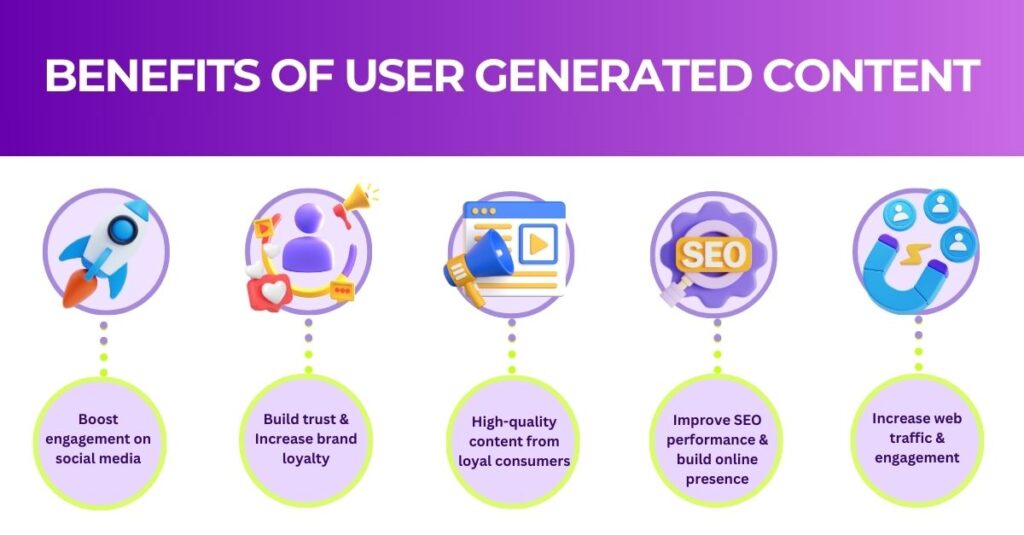
Today’s customers are wary of overly polished advertisements. UGC provides a raw and genuine perspective, making potential buyers feel more confident in their purchasing decisions.
Example: A shopper browsing for sneakers might trust Instagram photos shared by customers more than staged product images on a website.
2. Increases Engagement
UGC encourages interactions. When customers see others sharing their experiences, they’re inspired to do the same, creating a cycle of engagement that enhances brand visibility.
3. Drives Conversions
According to studies, consumers are 2.4 times more likely to view UGC as authentic compared to branded content. This authenticity can significantly influence buying decisions, boosting conversion rates.
4. Cost-Effective Content Creation
Producing high-quality marketing content can be expensive and time-consuming. UGC allows brands to showcase real-life usage of their products without investing heavily in content creation.
5. Integrate UGC with Advanced Tools
For businesses aiming to streamline operations and enhance their UGC strategy, Amazon Easy Tool offers essential features for integrating Shopify and Amazon platforms. This robust tool simplifies inventory management, streamlines product syncing, and enables seamless international expansion. By providing an efficient way to manage multichannel operations, it allows businesses to focus on creating meaningful customer experiences while UGC complements their brand storytelling.
6. Social Media Campaigns
Encourage customers to share their experiences using branded hashtags. Reposting UGC on your social media channels shows appreciation for your community while promoting your products.
Example: Starbucks’ #RedCupContest invites customers to share photos of their holiday cups, creating seasonal buzz.
7. Email Marketing
Incorporate UGC into your emails by highlighting customer stories, reviews, or images. Personalized UGC can enhance email click-through and conversion rates.
8. Interactive UGC Contests
Run contests where customers can submit content for a chance to win prizes. Not only does this generate excitement, but it also creates a repository of authentic content for your brand.
Overcoming Challenges with UGC
While UGC offers numerous benefits, it’s essential to address potential challenges:
- Quality Control: Not all UGC aligns with your brand’s image. Be selective about what you feature.
- Legal Considerations: Always seek permission before using someone’s content.
- Consistency: Ensure that UGC complements your overall marketing strategy.
UGC Success Stories
Glossier
Beauty brand Glossier has perfected the art of leveraging UGC by turning its customers into brand ambassadors. From social media shoutouts to unfiltered product reviews, Glossier uses customer content to build a relatable and aspirational brand image. This approach not only fosters trust but also drives a community-driven culture.
GoPro
GoPro’s customers regularly share awe-inspiring videos and photos captured with their cameras. By reposting this content, GoPro has built a loyal community and showcased the versatility of their products.
Airbnb
Airbnb’s marketing revolves around UGC, featuring real photos and stories from travelers. This strategy not only builds trust but also inspires others to book their next adventure.
The Future of UGC in E-commerce
As the e-commerce space becomes more competitive, UGC will continue to play a vital role in differentiating brands. With advancements in AI, brands may soon use technology to curate and analyze UGC more effectively, tailoring content to individual customer preferences.
Final Thoughts
User-Generated Content is more than just a trend; it’s a powerful marketing strategy that drives trust, engagement, and sales. By integrating UGC into your e-commerce strategy, you can create authentic brand stories that resonate with your audience and build a loyal customer base. Start leveraging UGC today and watch your e-commerce sales soar!