
In 2025, the e-commerce landscape is evolving rapidly, with artificial intelligence (AI) playing a pivotal role in shaping pricing strategies. Online sellers are increasingly adopting dynamic pricing models to stay competitive, maximize profits, and cater to the ever-changing demands of consumers. However, implementing such strategies requires a delicate balance to ensure customer trust isn’t compromised.
Understanding Dynamic Pricing in the AI Era
Dynamic pricing involves adjusting product prices in real-time based on various factors such as market demand, competitor pricing, inventory levels, and customer behavior. AI enhances this process by analyzing vast amounts of data to predict optimal price points, enabling sellers to respond swiftly to market changes.
Step-by-Step Guide for Online Sellers
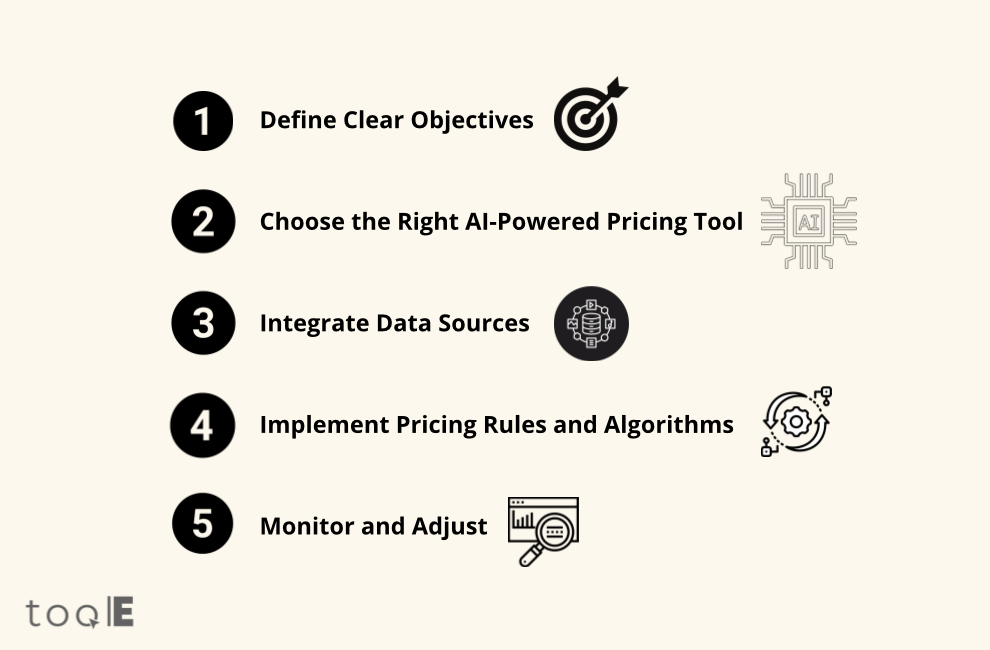
1. Define Clear Objectives
Before diving into dynamic pricing, it’s essential to establish clear goals. Determine whether the aim is to increase sales volume, clear out inventory, or maximize profit margins. Having a defined objective will guide the pricing strategy and help in selecting the appropriate AI tools.
2. Choose the Right AI-Powered Pricing Tool
Select a dynamic pricing software that aligns with your business needs. Look for features like real-time competitor tracking, demand forecasting, and inventory management. Platforms such as Dynamic Pricing AI offer automation that balances pricing with market positioning.
3. Integrate Data Sources
Feed the AI system with comprehensive data, including competitor prices, historical sales, customer preferences, and market trends. The quality and breadth of data directly influence the effectiveness of the pricing model.
4. Implement Pricing Rules and Algorithms
Set up pricing rules that the AI can follow. These might include conditions like adjusting prices based on stock levels, competitor price changes, or specific customer segments. For instance, a rule could be to lower prices when inventory is high and demand is low.
5. Monitor and Adjust
Regularly review the performance of the dynamic pricing strategy. Analyze metrics such as sales volume, profit margins, and customer feedback to assess the impact. Be prepared to tweak the algorithms and rules to better align with business objectives and market conditions.
Balancing Profit Maximization with Customer Trust
While dynamic pricing offers significant advantages, it’s crucial to maintain transparency with customers. Sudden or unexplained price fluctuations can lead to dissatisfaction and erode trust. To mitigate this:
- Communicate Clearly: Inform customers about the reasons behind price changes, such as supply shortages or increased demand.
- Offer Value: Ensure that customers perceive the pricing adjustments as fair and justified.
- Maintain Consistency: Avoid erratic pricing that could confuse or frustrate customers.
By adopting these practices, online sellers can leverage dynamic pricing to enhance profitability without compromising customer loyalty.
Real-World Applications
Leading retailers are already reaping the benefits of AI-driven dynamic pricing. For example, Amazon has seen revenue boosts by adjusting prices in real-time based on market conditions. Similarly, Boohoo and PrettyLittleThing are using AI to manage real-time pricing based on trends, consumer demand, and competitor pricing.
Conclusion
In 2025, dynamic pricing, powered by AI, is not just a trend but a necessity for online sellers aiming to stay competitive. By strategically implementing dynamic pricing models and maintaining transparent communication with customers, businesses can enhance profitability while fostering trust and loyalty.